

Forget CTV’s Walled Gardens, 5G Mobile Phones are the Key for Addressability
By Rajat Wanchoo, Vice President of Market Development for Telco, InMobi
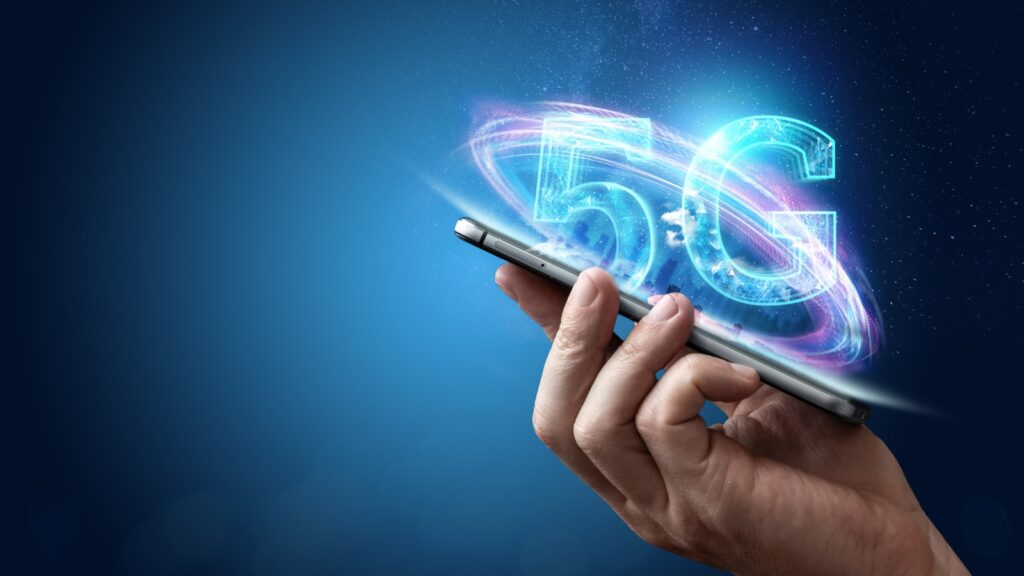
For years, we’ve heard the hype about how CTV will eventually unlock unified audiences and solve addressability. But advertisers already hold the solution in the palm of their hands. The IP-based architecture of mobile makes the phone the natural “control point” for understanding audiences at scale and solving addressability, and the arrival of 5G only accelerates that reality.
CTV is Complex, and that Complexity Will Only Grow in the Coming Years
For CTV, advertisers must plan for a range of operating systems used by both manufacturers and OTT platforms. Unfortunately, however, complexity grows as advertisers add more partners because Roku data, for example, isn’t interoperable with Samsung data or Hulu data.
Meanwhile, a fragmented marketplace forces advertisers to navigate an ecosystem of middlemen, increasing the risk of fraud. Finally, new data sources like ARC, which leverage very sensitive information, place advertisers on the frontlines of the next battle in the data privacy fight. This is a high price to pay for addressability, but because the underlying architecture is so muddled, addressability will fall short of the promise we’ve heard since 2017.
Why are Mobile Phones the Key?
Mobile has always been a reliable and straightforward way to solve for addressability, but only in the last few years have consumers begun to see their phones as the primary access point for their digital lives. Web 2.0 taught us to shop, communicate and socialize on our phones.
During the pandemic, many began using phones to run their households — thermostats, appliances, security systems, etc. For consumers, the phone is already becoming the obvious “control point.” 5G accelerates that trend because 5G speeds are potentially 10 times faster than WiFi.
Why Should Advertisers Focus on 5G Mobile?
5G uses an IP-based architecture that achieves addressability in a privacy-compliant way while eliminating fraud. Just as important, advertisers can easily scale addressable campaigns via mobile, thanks a small number of carriers with interoperable data capabilities. But the key is the consumer.
According to a Deloitte study, 15 percent of U.S. internet users rely exclusively on 5G mobile for internet access. They cut the internet cord but kept their phones! These consumers are early adopters. Today, 28 percent of consumers 18-29 rely exclusively on their phones for internet access, meaning young people are already living in the future, where our mobile data powers every digital experience, including TV.
Any of those experiences that are ad-supported will go through the phone, not just because it’s our primary screen, but because the architecture beneath that screen is already built for addressability and privacy compliance.
You May Also Like
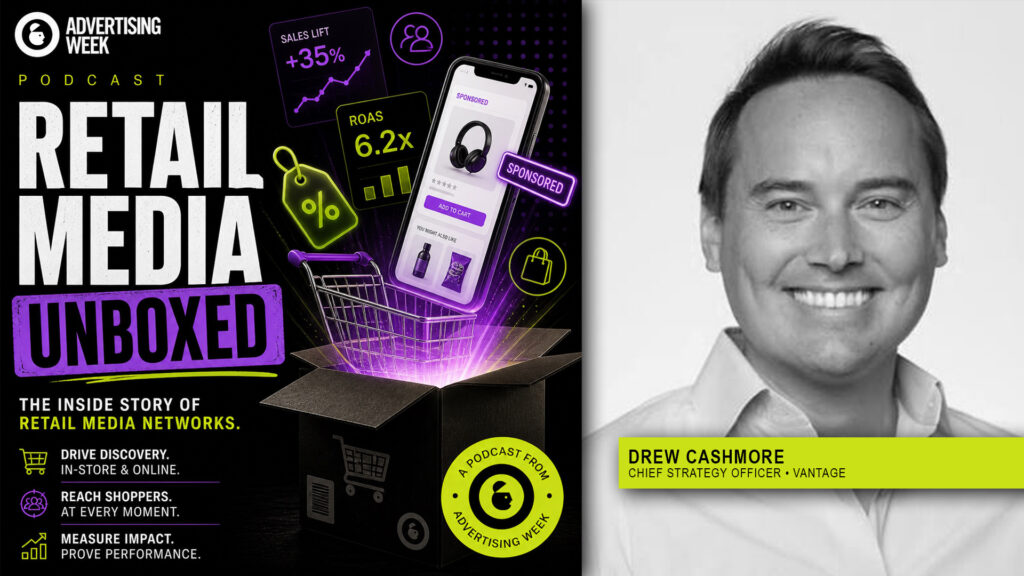
Retail Media Doesn’t Need More Ad Tech, Featuring Drew Cashmore of Vantage
In this episode of Retail Media Unboxed, Drew Cashmore, Chief Strategy Officer at Vantage, explains why retail media has evolved far beyond an advertising channel into a competitive business platform.

Why the Best Brand Reps Are Starting to Look Like Educators
Marketers are shifting budget from paid media toward in-person reps because a single well-informed conversation now often outperforms another thousand impressions.

Small Businesses Embrace the Role of ‘Creator’ to Get Seen in 2026
It seems like everyone’s a creator now, and it’s not just because they want to be social media stars. It comes down to how today’s consumers shop.