




Sports Marketing Has Outgrown the Broadcast
By Anna Bager, President & CEO at the Out of Home Advertising Association of America
When the 2026 FIFA World Cup came to a close, marketers walked away with more than another case study in sponsorship activation. They got a glimpse of where sports marketing is headed.
Yes, the tournament delivered record attention on television and streaming platforms, but some of its most memorable moments happened well beyond the broadcast. Host cities became extensions of the event itself. Airports welcomed arriving fans with branded experiences. Transit stations, downtown districts and entertainment corridors became canvases for storytelling. The World Cup wasn’t simply watched. It was experienced.
That distinction matters because it reflects a broader shift in how fans engage with sports. Today’s biggest sporting events no longer exist within a fixed broadcast window. They unfold across an entire day, and often across an entire city. Fans gather at restaurants before games, navigate transit systems, meet friends at watch parties, explore fan festivals and celebrate long after the final whistle. For marketers, those moments have become just as valuable as the action happening on the field.
As attention shifts from a summer of global competition to another NFL season, there’s an opportunity for leagues, sponsors and advertisers to rethink where they invest to reach fans. The next era of sports marketing won’t be defined solely by who owns the broadcast rights. It will be shaped by who understands the full fan journey.
The World Cup offered a compelling example of that evolution. Brands that stood out weren’t necessarily those with the loudest commercials or the biggest celebrity endorsements. Many succeeded because they recognized that fans were moving through physical spaces together and built campaigns that added to the experience. Creative installations, localized messaging and interactive activations helped transform ordinary moments into memorable ones, reinforcing that sporting events have become cultural experiences as much as media events.
Consumers are telling us the same thing. Research has found that 77% of adults rate out of home advertising around major sporting events as equally or more memorable than other forms of advertising. Just as importantly, fans are looking for advertising that does more than build awareness. Nine in ten US adults have taken action after seeing an OOH ad for a major sporting event. They’re most interested in practical information such as upcoming game schedules, viewing options, ticket availability and player appearances, alongside creative that uses humor, recognizable athletes and bold visuals.
Those findings point to something larger than the effectiveness of any single advertising channel. They suggest that fans increasingly value marketing that enhances their experience rather than interrupts it. When someone is deciding where to watch the game, planning a trip to a stadium or exploring a host city, advertising has an opportunity to become genuinely useful instead of simply visible by generating real attention and engagement.
That’s particularly relevant for the NFL. Unlike the World Cup, which creates a concentrated global moment every four years, professional football offers recurring opportunities to engage fans every week throughout the season. Rivalries energize cities. Tailgates become neighborhood traditions. Local businesses fill with fans before kickoff and after the game. Entire communities organize around the rhythm of football weekends.
For marketers, that creates an opportunity to think beyond a 30-second commercial during the game. The most successful campaigns will consider how fans move through their day, where they gather, what information they’re looking for, and how brands can contribute to those experiences in ways that feel authentic rather than intrusive.
This evolution is happening alongside another important shift across the sports industry: a growing investment in understanding fan behavior. Teams, leagues and brands have access to richer insights than ever before about where fans travel, how they attend events and what influences engagement before, during and after games. Those insights are becoming especially valuable as audiences diversify and new opportunities emerge across women’s sports, international competitions and younger fan communities. Reaching these audiences requires more than broad demographic assumptions. It requires understanding how people experience sports in the real world.
The organizations that embrace that broader perspective will be better positioned to build meaningful connections with fans. The ones that continue to think of sports marketing primarily as a broadcast strategy risk missing many of the moments when engagement is actually at its highest.
The World Cup didn’t rewrite the rules of sports marketing overnight. It accelerated a transformation that was already underway. Fans increasingly move fluidly between digital and physical experiences, and they expect brands to do the same.
As another football season begins, the most effective marketers won’t simply ask how to win attention during the game. They’ll ask how to become part of the experience before kickoff, throughout the day and after the final whistle. That’s where the future of sports marketing is being built.
You May Also Like
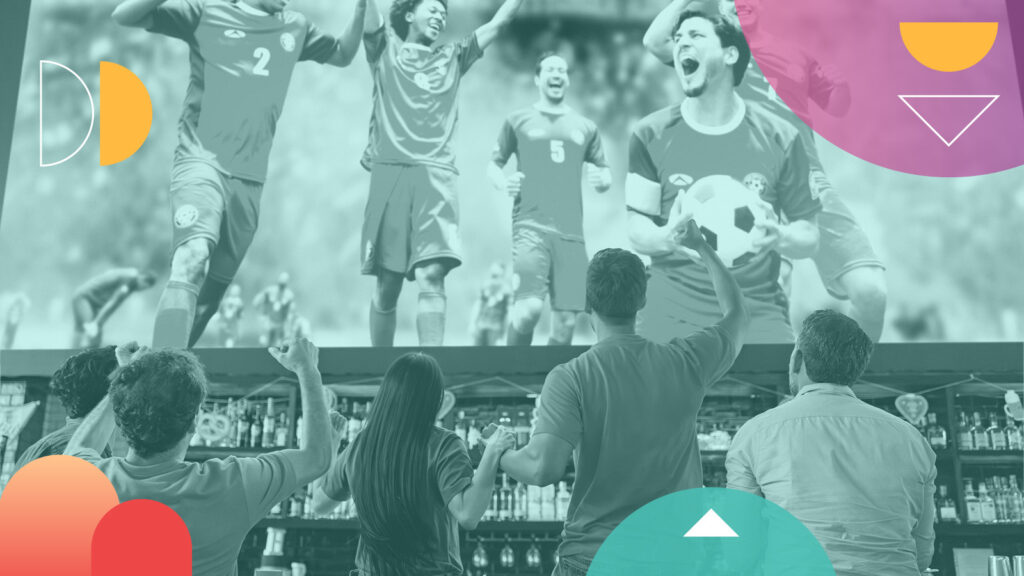
How to Build an Immersive World Inside a Sports Arena
Ultimately, immersive design is a way of respecting fans’ time. When marketers invite them into the story, whether that’s a league narrative, a franchise universe, or a streaming world, marketers are signaling that they’re not just an audience, but a crucial part of the show.

AI Is Rewriting the Rules of Omnichannel Advertising
The future of omnichannel advertising isn’t simply about automation. It’s about connected intelligence.

Meet the New Consumer: Calculated, Skeptical, and Resilient
To survive 2026 and beyond, the smart move is to pick a side of the spectrum and own it: brands must either be undeniably the best on price, or make their premium worth it through either performance or experience.