

Upgrading Non-Alcoholic Drinks to First Class
-

Three Protocols That Could Turn Programmatic Advertising Into an Agentic Marketplace
Much of the fragmentation that defines digital advertising today exists because humans are stitching together dozens of tools, intermediaries and data layers.
-

AI Didn’t Break Your Operating Model. It Just Proved You Never Built One.
The question isn’t whether your brand is ready for AI. It’s whether your operating model is ready for anything at all.
-
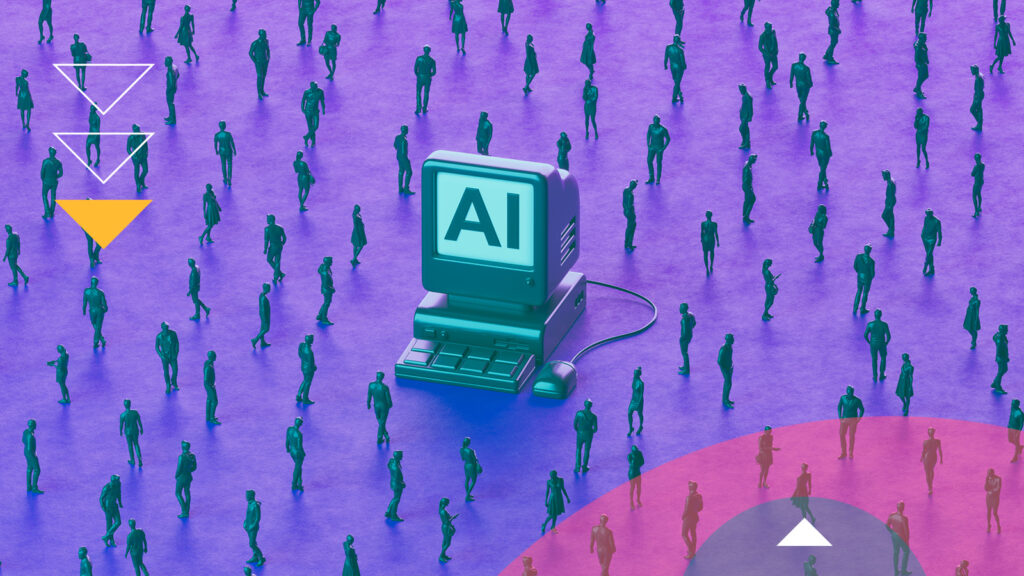
ChatGPT’s Rocky Rollout Shows Brands Shouldn’t Rush Into AI Advertising
The audience isn’t going anywhere. The targeting, measurement and self-serve tools will get built because OpenAI can’t scale a real ads business without them.
-

Retail Media Needs AI: This Is How to Make It Happen
This is retail media’s own MACH moment, and this shift into open and transformative technologies is essential for those who are serious about making retail media work to its full potential by cutting costs and speeding up innovation.
-

SEO to GEO: Best Practices Beyond Basic Optimization
It’s tempting for large, established brands to believe they’re insulated. History suggests otherwise.
-

The $1 Trillion Ad Industry Is Flying Blind. AI Twins Can Fix That
The $1 trillion question isn’t how to make more. It’s how to finally know what works.
-

AI Gave Everyone the Power to Do. It Didn’t Tell Them What Is Worth Doing
If your AI strategy is not designed to deepen what your organisation uniquely knows, it is not a strategy. It is an efficiency programme looking for a narrative.
-

From Clicks to Citations – Building Attribution Infrastructure for AI and LLMs
Publishers may be getting the legal framework, but what they still lack is the measurement layer that tracks what actually happens to their content once it enters an AI system.
-

Use AI Search for Long Enough and You Notice Who It Trusts
Although we are not leaving optimisation behind, brands must make a more conscious effort to identify the messages that travel across content.
-

Sequoia ID: Reach the Highest-Intent Audience in Digital — at Display Prices
Every new targeting signal follows the same curve. Early movers get premium performance at low competition. Then the market catches up.
-

What the ‘AI Doomsday Scenario’ Could Mean for Advertising
AI may industrialise advertising, but it will not automate taste.
-

What the “Bot Fingers” Era Means for Advertising
The industry will need new frameworks and better technology to help clarify what “real” engagement actually means, and it needs them today, not tomorrow.
-
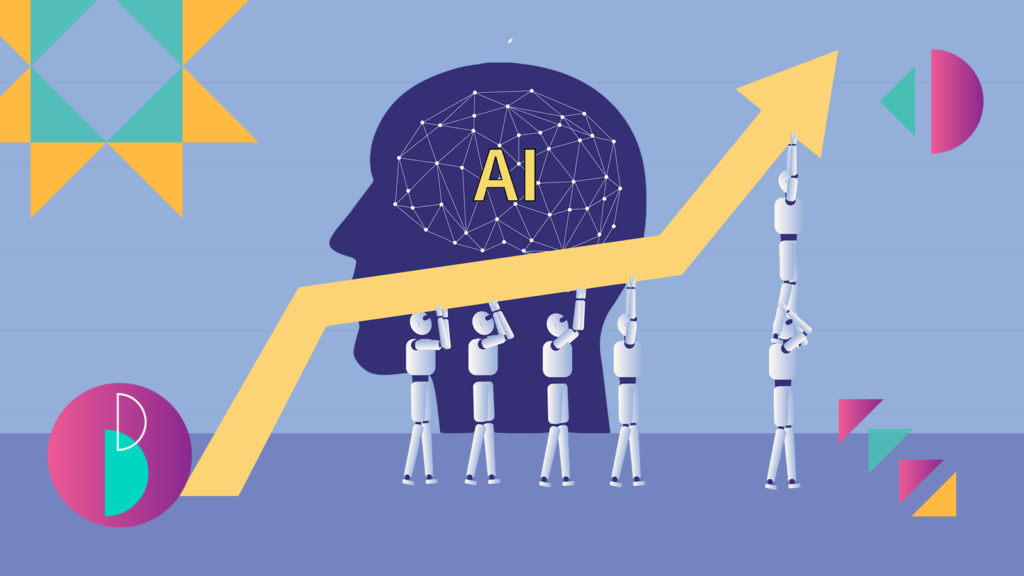
The AI Experience Room: A New Monetizable Asset for Rights Holders
For rights holders seeking to future-proof their sponsorship strategy, the AI Experience Room may represent the next generation of monetizable sponsorship assets.
-

Can Autonomous Media Be Trusted? That Depends on Who its Agents Truly Serve
Agents, with buyers and sellers as their masters, provide an opportunity to reshape all facets of the digital advertising market in the interests of its participants, not its gatekeepers.
-

Why AdTech’s AI Agents Are Hallucinating Strategies And How to Fix It
Everyone has an AI agent now. Very few have one that actually knows what it’s looking at. That distinction is the whole game.
-

The Sameness Problem—Why AI-Powered Ads Can Be Easier to Ignore
In 2026, production isn’t a scarce resource, but perspective can be.
-

AI’s Biggest Benefit Might be Eliminating Audience Composition Bias
AI-built models are designed specifically to take advantage of correlations between a brand’s audience and behaviors exhibited within a database, no matter how counterintuitive those correlations may seem on the surface.
-

Is AI Cannibalising the Web It Was Built On?
There’s an irony buried in the AI revolution that nobody wants to talk about.
-

Building the Next Generation of Commerce Media: Why Coordinated, End-to-End AI Determines Who Wins
Commerce media is a growth engine. But it is system intelligence, not isolated optimization, that determines how powerful that engine becomes.
-

From Shelf to Screen: How AI is Transforming Consumer Brand Engagement
In an industry where loyalty often depends on understanding as much as visibility, giving consumers a space to ask questions, explore ideas, and discover products in their own way may prove to be one of the most meaningful innovations of all.